Work with Paul

Start where you are. Leave with a clearer way forward.

You do not need to know which treatment you need before you book. We start with what is bothering you, what you want to get back to, what you can do now, and what seems to be getting in the way. From there, we assess the starting point and build a practical path forward.

Paul Cramer, RMT · Edmonton, Alberta · In-person care at 4 Points Health & Wellness

Paul Cramer, Registered Massage Therapist

Three ways I can help

Start with the problem. We can decide together what kind of help fits.

These are not three separate philosophies. They are different ways of using the same process: understand the situation, clarify what matters, choose a useful plan, build capacity, adapt as needed and return to meaningful activity.

01 · Assessment & planning

Recovery Assessment & Planning

Best when you are not sure what is going on, have tried several things, or need a clearer direction. We assess your starting point, clarify your goals, identify useful priorities, and build a plan you can actually follow.

You leave with clarity, a starting point, and next steps.

See what a recovery plan can look like →

02 · Hands-on + active care

Functional Massage & Movement

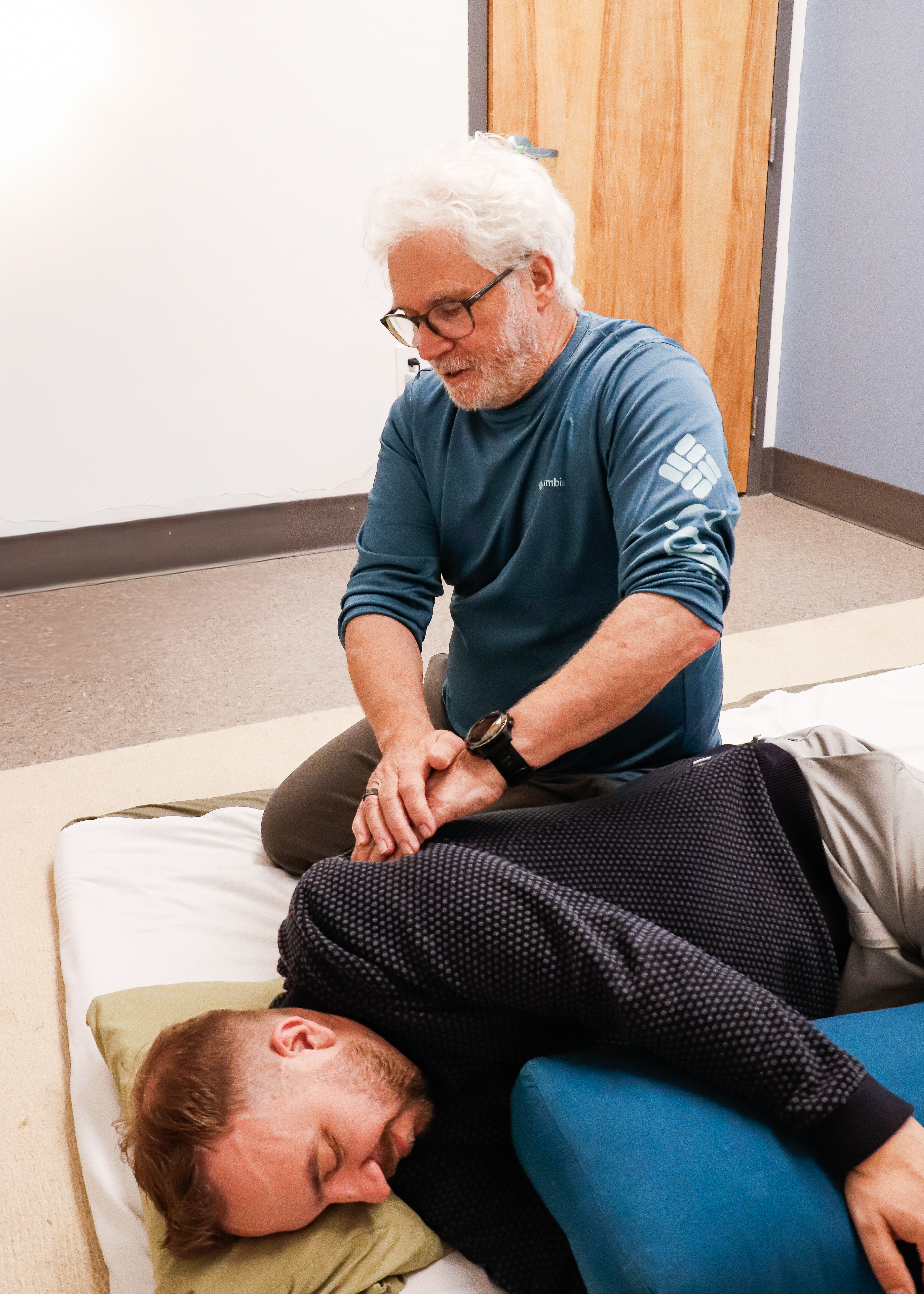
Hands-on massage therapy integrated with movement, mobility, education and active participation. Useful when treatment helps symptoms settle, but you also want to understand how to move forward rather than depend on passive care alone.

Massage is a tool. Better function is the goal.

Learn about Functional Massage Therapy →

03 · Movement & rehabilitation

Active Recovery

When pain, injury or time away has left you feeling weaker, limited or unsure how to restart, we find what you can do now. Together, we build strength, movement confidence and capacity through practical exercises and gradual progression, adjusting the plan to your response and the activities that matter to you.

Start where you are. Build what’s strong. Return to what matters.

Explore active recovery →

If hypermobility or Ehlers-Danlos syndrome is part of the picture, you can also read about my hypermobility and EDS approach.

Focused support for tendon problems

PainFreeTendon: active recovery for persistent tendon pain.

PainFreeTendon is the tendon-focused part of my work. It applies the same MovementSpark method: understand, clarify, plan, build, adapt and return to the activities that matter.

For Achilles, elbow, patellar, hamstring, shoulder and other tendon concerns, the focus is on education, progressive loading and adjusting activity to your response. You can work with me in person or explore the resources and available programs through PainFreeTendon.

Do any of these sound familiar?

You do not need a perfect diagnosis to know you are stuck.

These are composite examples based on common situations I see in practice. They are not individual patient stories.

Knee confidence

“I was told my knees are worn out, so I stopped trusting them.”

The starting point may be finding movements that feel successful again, then building walking, strength and load tolerance gradually instead of treating every symptom as a warning to stop.

Getting active again

“I keep trying to restart exercise, then something flares up.”

The answer is often not a harder program. It is a smaller starting dose, a way to judge the response, and a progression that fits your current life and capacity.

Shoulder recovery

“My shoulder is better, but I still do not trust it overhead.”

Recovery may mean more than reducing pain. We can identify the movements and loads that still feel uncertain, then rebuild strength, tolerance and confidence for the activities that matter.

Tendon rest-restart cycle

“It settles when I rest, then comes back when I start again.”

That pattern often points to a gap between current tendon capacity and the demand you return to. The plan is to close that gap progressively rather than bounce between complete rest and full activity.

A simple process

A practical starting process

The full process is understand, clarify, plan, build, adapt and live fully. In a first session, we begin with enough clarity to choose a useful next step and know how to build from there.

01 · Clarify

Understand your starting point.

Your story, goals, current capacity, what feels difficult or uncertain, and what you want to get back to.

02 · Plan

Choose the useful next steps.

Decide what you can keep doing, what may need to change, and the smallest number of priorities worth working on.

03 · Build

Build capacity for real life.

Use treatment, movement, strength, loading and practice to increase what your body can handle and move toward the activities that matter.

What you leave with

More than treatment. A clearer way forward.

Clarity

A clearer picture of your starting point.

What seems important, what you can already do, and which challenges are most worth paying attention to.

A starting point

What you can work with now.

Useful movement, loading or activity options that fit your current capacity instead of waiting for everything to feel perfect.

A plan

What to do next—and how to know it is working.

A small number of practical priorities tied to the activity or function you want to regain.

Start where you are.

You only need a useful next step.

If you want help making sense of the starting point and figuring out what comes next, book a session and we can build the plan from where you are now.

Book with Paul